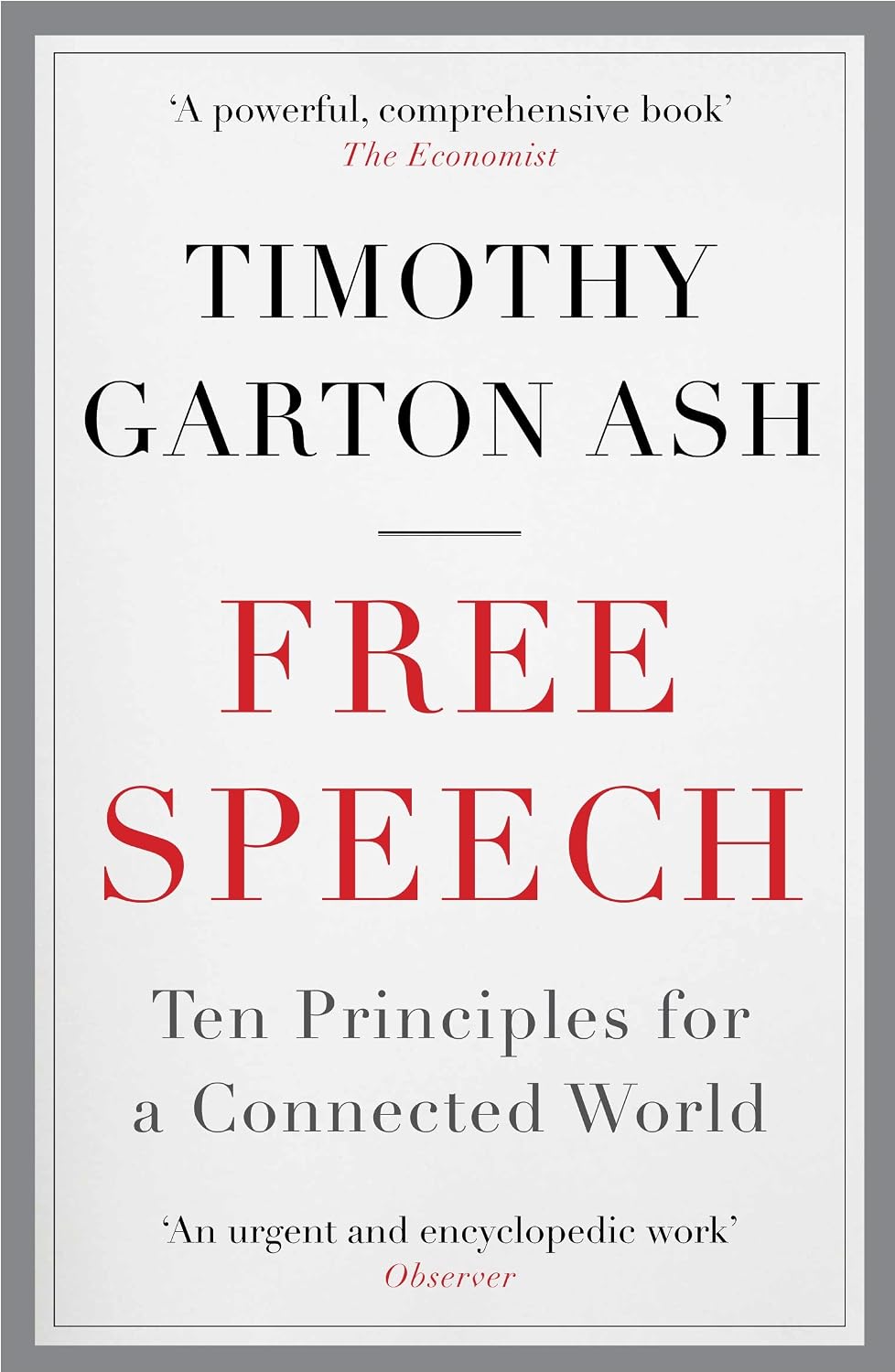
Garton Ash's book is a work of engaged political philosophy rather than legal or historical analysis — an attempt to derive practical principles for free expression in a digitally connected world that takes pluralism seriously as both a fact and a value. The ten principles he proposes are designed to be applicable across cultural and legal traditions, addressing the inadequacy of American First Amendment absolutism and European hate speech frameworks alike as universal models.
The book predates the most acute phase of the disinformation crisis, but its framework remains directly relevant: Garton Ash is clear that the principles he defends require active defence, that free speech is not self-sustaining but depends on institutional and cultural conditions that must be maintained. For policy advisers navigating the intersection of free expression values and information integrity imperatives, this remains one of the most useful frameworks available.
Cogitavi commentary
Garton Ash's book is a work of engaged political philosophy rather than legal or historical analysis — an attempt to derive practical principles for free expression in a digitally connected world that takes pluralism seriously as both a fact and a value. The ten principles he proposes are designed to be applicable across cultural and legal traditions, addressing the inadequacy of American First Amendment absolutism and European hate speech frameworks alike as universal models.
The book predates the most acute phase of the disinformation crisis, but its framework remains directly relevant: Garton Ash is clear that the principles he defends require active defence, that free speech is not self-sustaining but depends on institutional and cultural conditions that must be maintained. For policy advisers navigating the intersection of free expression values and information integrity imperatives, this remains one of the most useful frameworks available.