Our Reading Room

The Cogitavi Twenty

Twenty titles that we consider essential reading in the information environment, influence operations, and foreign interference. Not a comprehensive syllabus — a point of entry. These are the works that have shaped the field's analytical vocabulary, exposed its most consequential mechanisms, and defined the terms within which everything else must be understood.

← Back to Our Reading Room
01
Beyond Ballot Boxes: How Social Media Reshaped National Elections

Grey Literature · 2026

Beyond Ballot Boxes: How Social Media Reshaped National Elections

Bashir Ahmed & Rafsan Jany Samir

Elections are the sharpest test of whether information manipulation can change political outcomes. This book maps how social media has already reshaped that test — and why the next election cycle will be harder to defend than the last.
02
European Commission
The Code of Conduct on Disinformation

Grey Literature · 2025

The Code of Conduct on Disinformation

European Commission / DG CONNECT

The document that defines what the EU currently expects of platforms on disinformation. Not theoretical — operational. Anyone working in or around the European information governance space needs to know what it says and what it does not say.

03
Alliance for Securing Democracy / GMF
Conceptualizing Foreign Interference in Europe

Grey Literature · 2020

Conceptualizing Foreign Interference in Europe

Kristine Berzina & Etienne Soula

Before countering foreign interference, it must be defined. Berzina and Soula provide the most operationally useful European framework for distinguishing legitimate foreign influence from unlawful interference — a distinction that determines everything about how policy and law respond.

04
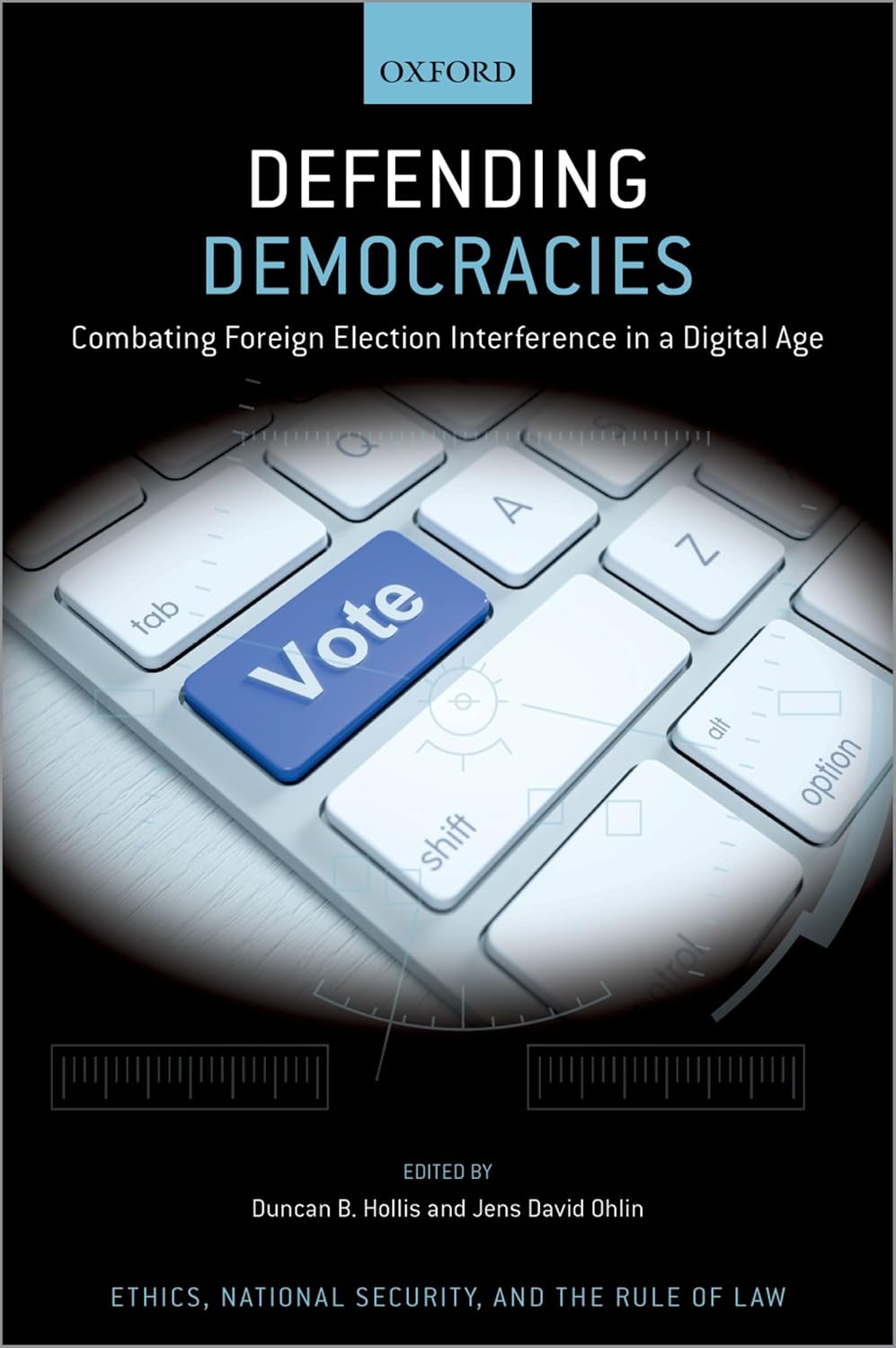
Defending Democracies: Combating Foreign Election Interference in a Digital Age

Grey Literature · 2021

Defending Democracies: Combating Foreign Election Interference in a Digital Age

Duncan B. Hollis & Jens David Ohlin (eds.)

The most rigorous legal and normative framework for understanding what foreign election interference actually is and what democracies are permitted to do in response. The definitional work here is foundational — you cannot design effective counter-measures around a concept you cannot define.

05
INSS
Defining Foreign Influence and Interference

Grey Literature · 2024

Defining Foreign Influence and Interference

Ofer Fridman

The most precise available attempt to establish standalone definitions of foreign influence and interference — resolving the conceptual ambiguity that undermines most policy frameworks. Precision here is not academic; it determines what gets counted, attributed, and acted upon.

06
Digital Influence Mercenaries: Profits and Power Through Information Warfare

Book · 2022

Digital Influence Mercenaries: Profits and Power Through Information Warfare

James J. F. Forest

The commercial market for information warfare services is systematically underweighted in both analysis and policy. Forest's account of who these mercenaries are, how they operate, and who pays them reveals a threat landscape significantly broader than state-attribution frameworks alone can capture.

07
European Court of Auditors
Disinformation Affecting the EU: Tackled but Not Tamed (Special Report 09/2021)

Grey Literature · 2021

Disinformation Affecting the EU: Tackled but Not Tamed (Special Report 09/2021)

European Court of Auditors

The most credible independent audit of whether EU counter-disinformation efforts actually work. The answer — 'tackled but not tamed' — remains the most accurate summary of where institutional capacity stands relative to the threat, and this baseline matters for assessing every subsequent reform.

08
ENISA
Foreign Information Manipulation and Interference (FIMI) and Cybersecurity — Threat Landscape

Grey Literature · 2022

Foreign Information Manipulation and Interference (FIMI) and Cybersecurity — Threat Landscape

ENISA / EEAS (joint)

The analytical framework that established FIMI as a distinct threat category at the EU institutional level — and demonstrated its systematic entanglement with the cyber domain. The joint ENISA-EEAS authorship signals what the field has been slow to accept: information operations and cybersecurity cannot be analysed in separate silos.

09
CIGI
Foreign Interference Online: Where Disinformation Infringes on Freedom of Thought

Grey Literature · 2024

Foreign Interference Online: Where Disinformation Infringes on Freedom of Thought

Wesley Wark

Wark's concept of 'fearful unknowing' — the deliberate induction of epistemic anxiety rather than specific false beliefs — is one of the sharpest analytical tools in the field. It reframes what the most sophisticated disinformation operations are actually trying to achieve, with direct implications for how counter-measures should be designed.

10
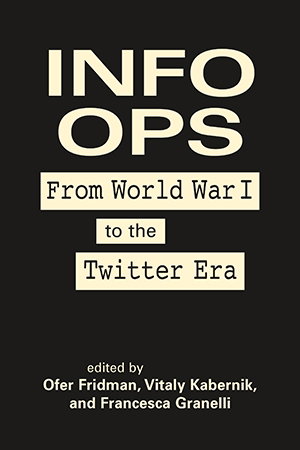
Info Ops: From World War I to the Twitter Era

Book · 2022

Info Ops: From World War I to the Twitter Era

Leigh Armistead (ed.)

Information operations did not begin with social media. This volume traces the doctrine, techniques, and institutional evolution of influence operations from the First World War through the digital era — providing the historical depth that most contemporary analysis lacks and without which current tactics cannot be properly assessed.

11
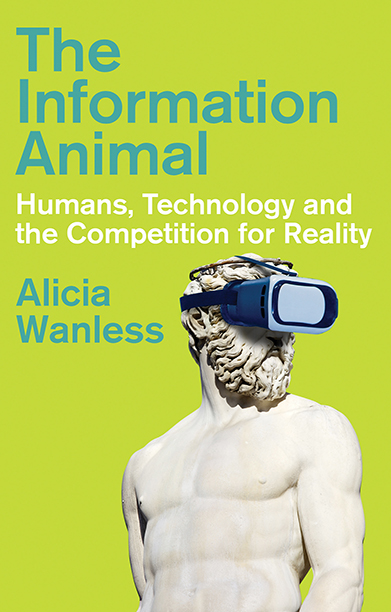
The Information Animal: Humans, Technology and the Competition for Reality

Book · 2018

The Information Animal: Humans, Technology and the Competition for Reality

Yochai Benkler, Robert Faris & Hal Roberts

The most rigorous empirical analysis of how political disinformation actually spreads through networked media ecosystems. Benkler, Faris, and Roberts dismantle several prevailing assumptions — about filter bubbles, about the role of social media relative to legacy media — and replace them with evidence. The methodology is as important as the findings.

12
European Parl. Research Service
Information Manipulation in the Age of Generative Artificial Intelligence

Grey Literature · 2025

Information Manipulation in the Age of Generative Artificial Intelligence

Naja Bentzen

The most current authoritative institutional assessment of how generative AI has already changed the FIMI landscape. The threat is evolving faster than analytical frameworks — this briefing is the essential starting point for anyone who needs to understand where AI-enabled information manipulation stands now.

13
Carnegie Endowment
Measuring the Effects of Influence Operations: Key Findings and Gaps from Empirical Research

Grey Literature · 2021

Measuring the Effects of Influence Operations: Key Findings and Gaps from Empirical Research

Jon Bateman et al.

The field has a chronic tendency to assume effects that the evidence does not support. This systematic review of 82 empirical studies is the essential corrective — establishing what is actually known about whether influence operations work, what is contested, and what remains unmeasured. Read before making any confident claim about impact.

14
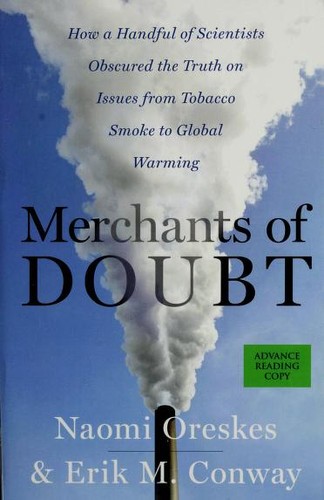
Merchants of Doubt

Book · 2010

Merchants of Doubt

Naomi Oreskes & Erik M. Conway

The template for understanding how organised doubt manufacture works as a political strategy. The techniques documented here — creating the appearance of scientific controversy where none exists — are the direct ancestors of contemporary disinformation playbooks. The history of tobacco denial is the history of strategic deception in democratic societies.

15
Propaganda: The Formation of Men's Attitudes

Book · 1965

Propaganda: The Formation of Men's Attitudes

Jacques Ellul

The foundational theoretical treatment of propaganda as a social phenomenon — not a collection of techniques but a structural condition of modern technological society. Ellul's argument that propaganda is produced by society itself, not merely deployed against it, remains the most challenging and most important insight in the field. Everything since builds on or argues with this.

16
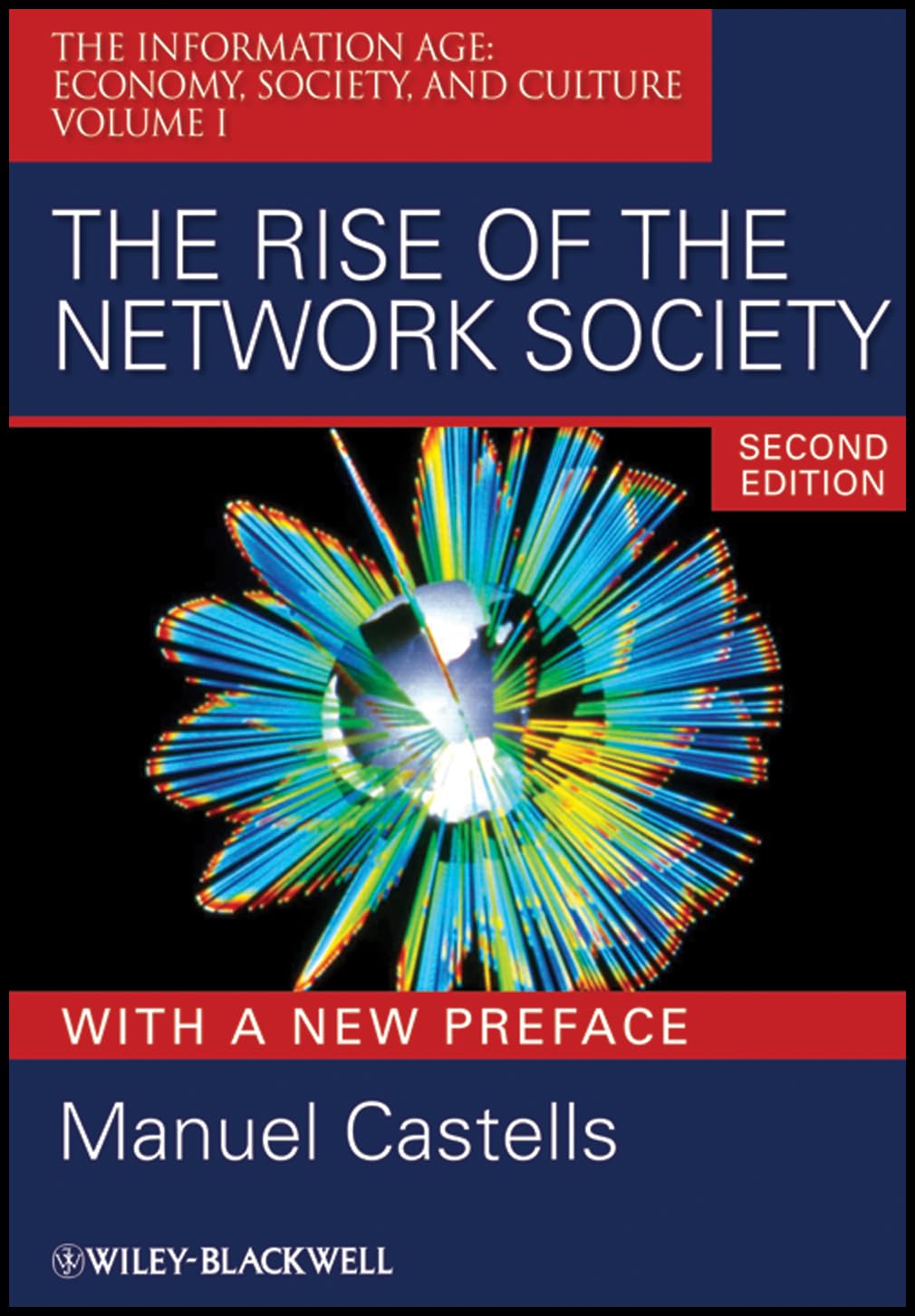
The Rise of the Network Society

Book · 2010

The Rise of the Network Society

Manuel Castells

The information environment cannot be understood without understanding the network society that produces it. Castells provides the structural analysis — of how networked organisation, the space of flows, and informational capitalism reshape power — that explains why the information environment is what it is. This is the foundation, not supplementary reading.

17
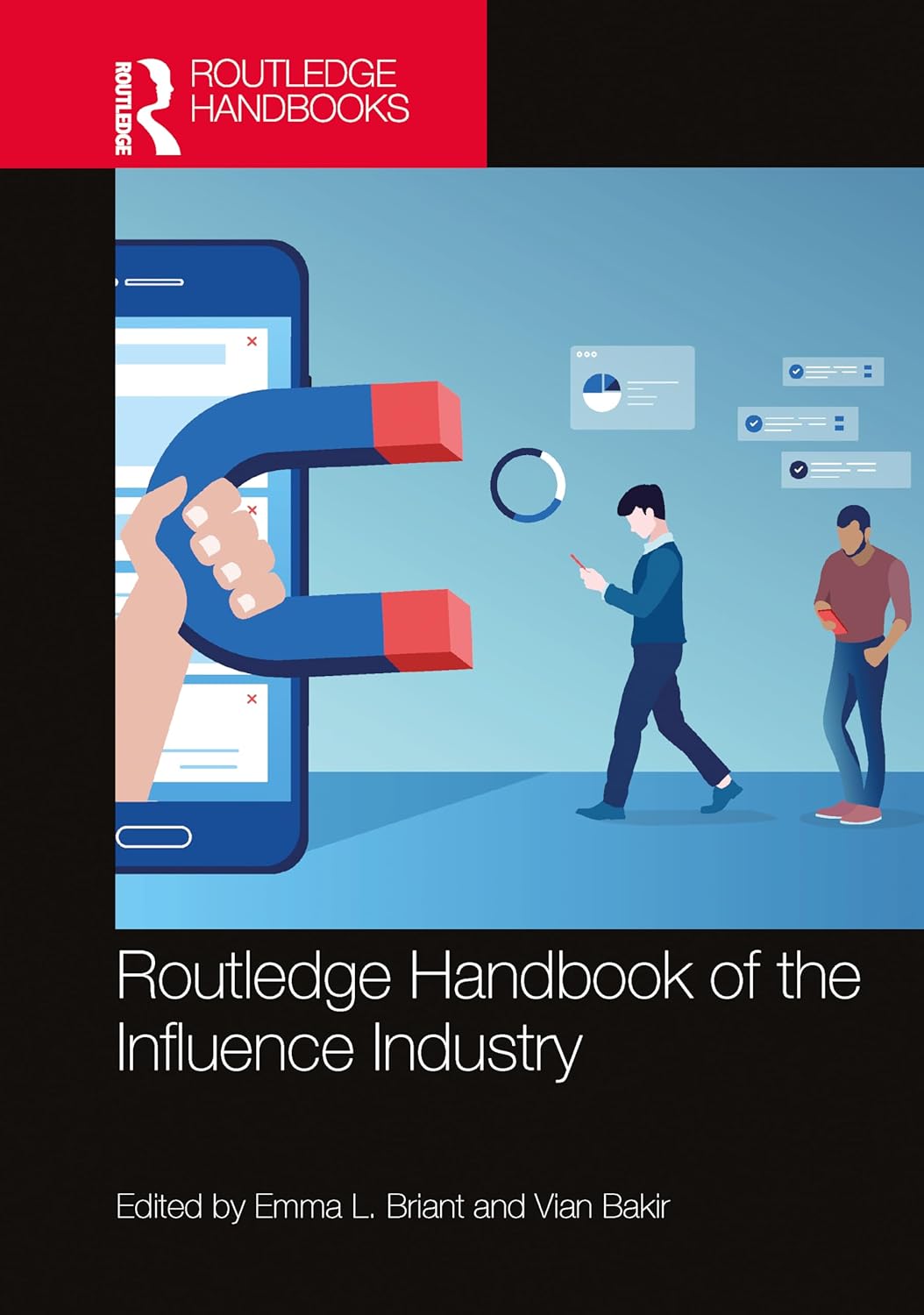
Routledge Handbook of the Influence Industry

Book · 2025

Routledge Handbook of the Influence Industry

Emma L. Briant & Vian Bakir (eds.)

Much of what is labelled disinformation is produced by a professionalised, data-driven commercial industry operating between political communication and information warfare. This handbook is the first systematic treatment of that industry — its actors, business models, techniques, and accountability gaps. Understanding the influence industry is a prerequisite for understanding the threat.

18
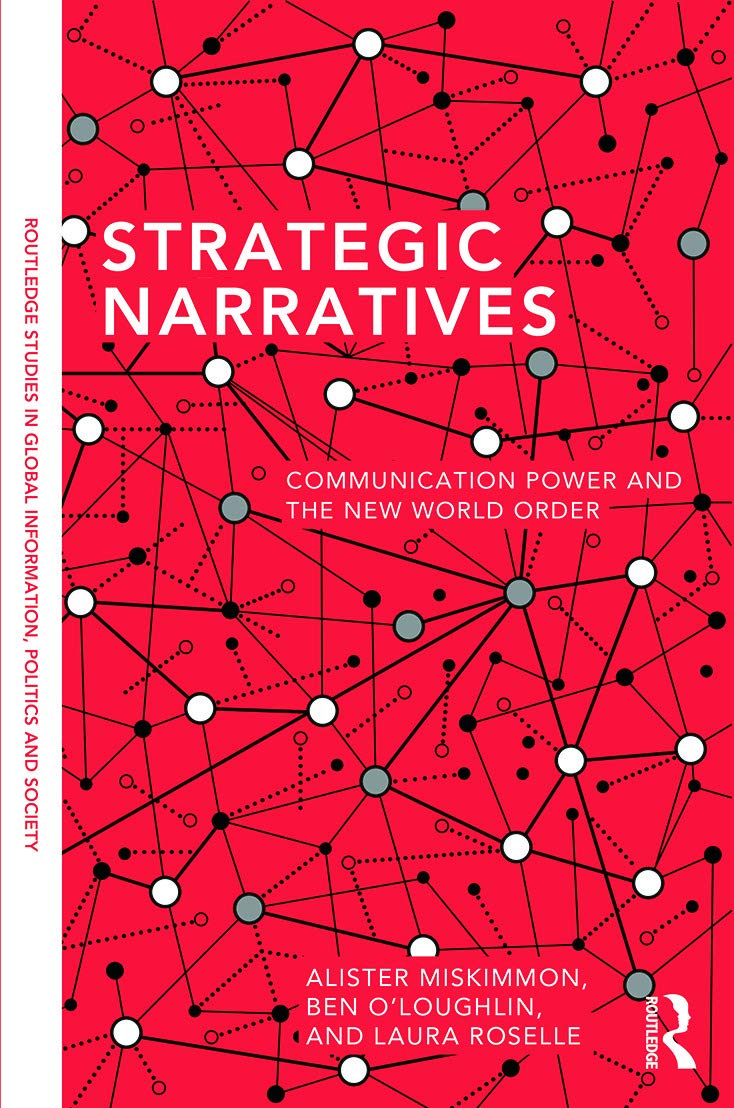
Strategic Narratives: Communication Power and the New World Order

Book · 2013

Strategic Narratives: Communication Power and the New World Order

Alister Miskimmon, Ben O'Loughlin & Laura Roselle

Strategic narratives — the structured claims actors make about who they are, what the world is, and what must be done — are the primary currency of influence operations. This book developed the analytical framework that the field now routinely uses without always acknowledging its origin. Countering narratives requires understanding what they are at a theoretical level.

19
Strategy: A History

Book · 2013

Strategy: A History

Lawrence Freedman

Strategic communications that is not informed by strategic theory is just messaging. Freedman's magisterial history of strategy provides the intellectual architecture within which information operations must be understood as instruments of power, not merely as communication problems.

20
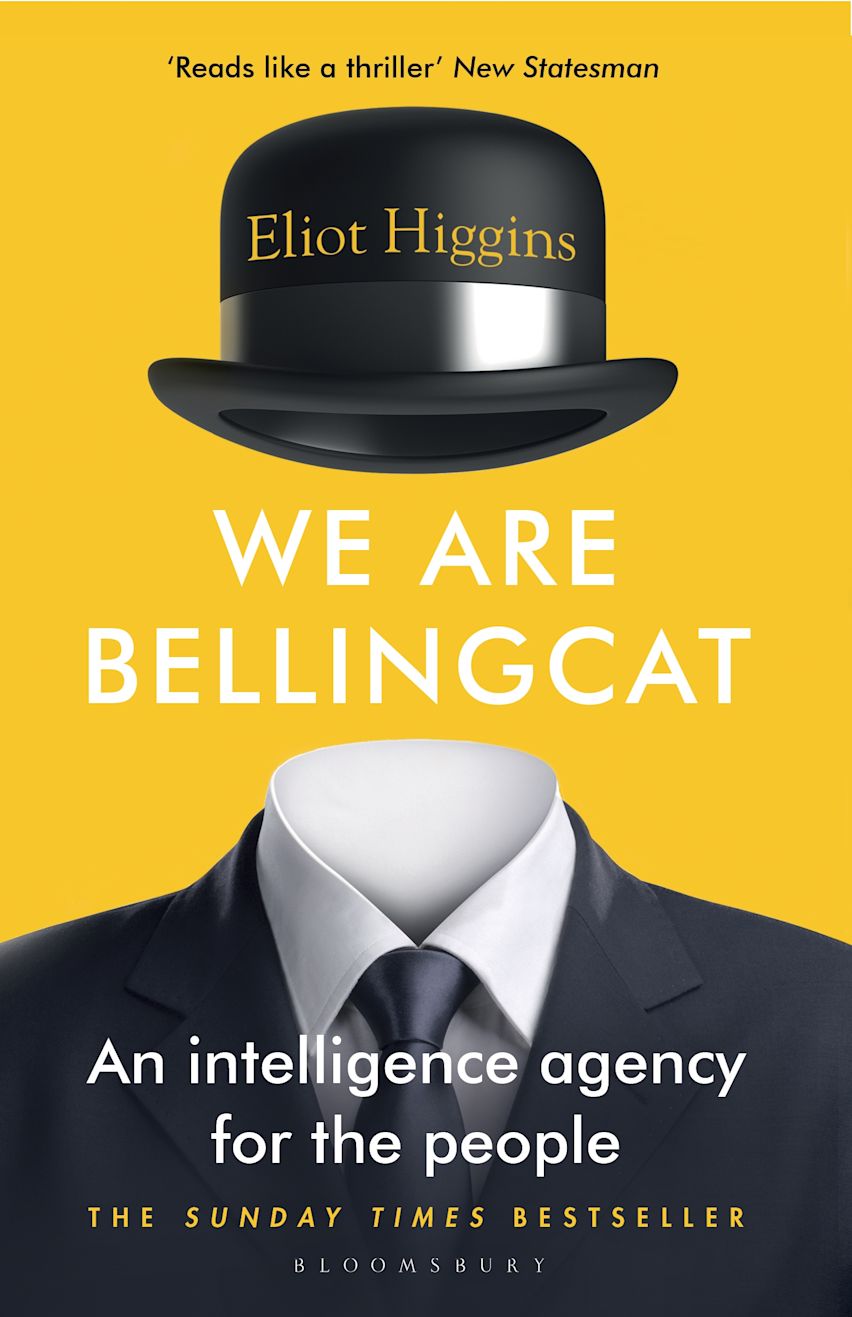
We Are Bellingcat: An Intelligence Agency for the People

Book · 2021

We Are Bellingcat: An Intelligence Agency for the People

Eliot Higgins

Open-source investigation as a counter to disinformation and state deception — documented by its most consequential practitioner. Higgins demonstrates that the same information environment that enables manipulation also enables accountability, and that rigorous verification of publicly available information can produce findings that change the geopolitical record.

← Back to Our Reading Room